
 Elijah Hawkins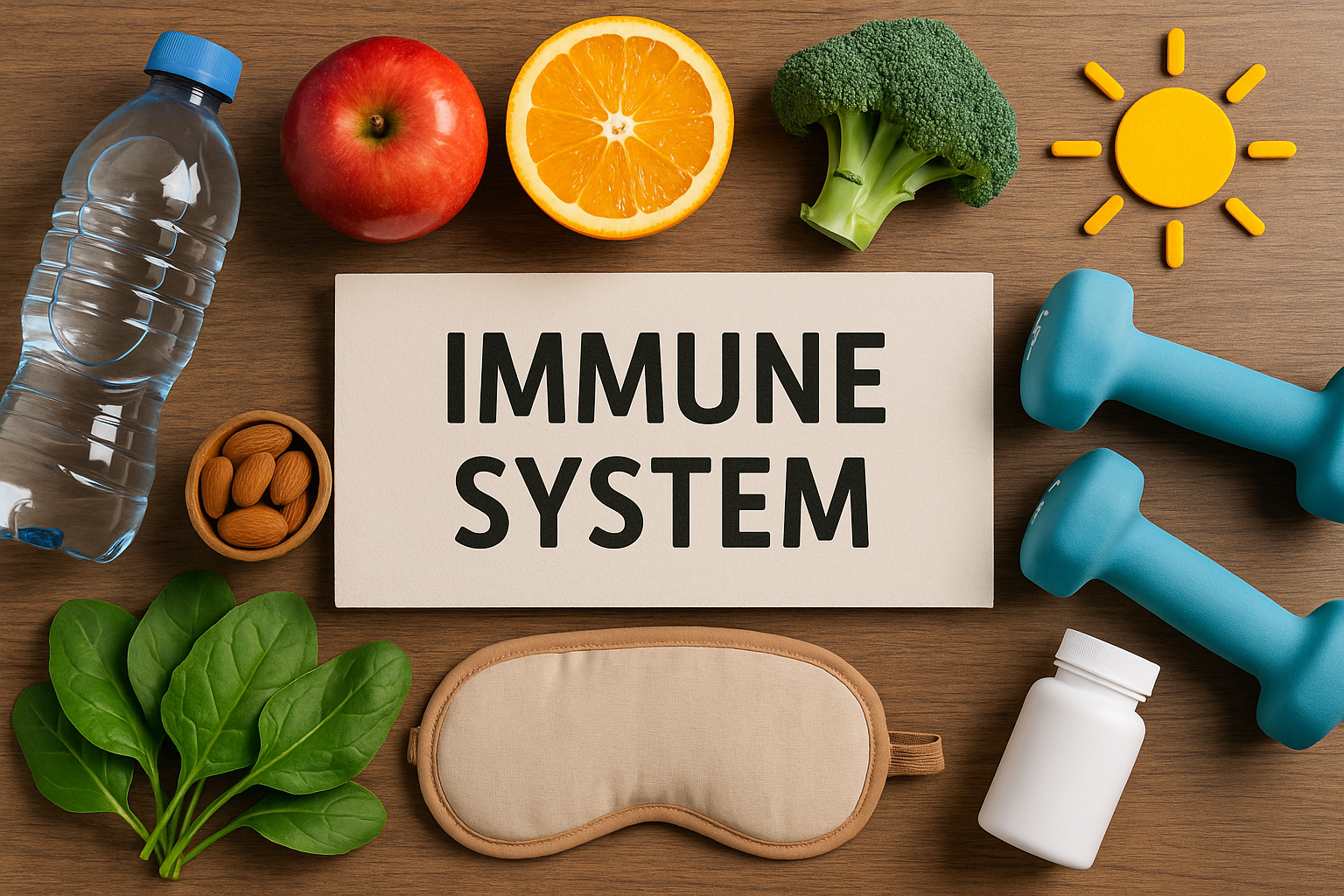
Your immune system is your body’s natural defense against illness, and keeping it strong is essential for staying healthy year-round. While there’s no magic pill to prevent every cold or infection, you can build a strong foundation for your health through small, consistent habits. These everyday choices influence how well your body responds to viruses, bacteria, and even stress. In this article, we’ll explore seven practical habits that support your immune system and help you feel your best every day.
1. Prioritize Quality Sleep
Sleep isn’t just about rest — it’s when your body repairs itself and strengthens its defenses. During deep sleep, the immune system releases proteins called cytokines that help fight infections and reduce inflammation. Adults should aim for 7 to 9 hours of sleep each night. Sticking to a regular bedtime, turning off screens an hour before sleep, and creating a calming nighttime routine can improve both the quality and quantity of your rest.
2. Stay Hydrated All Day
Water plays a critical role in every bodily function, including the immune response. Proper hydration supports the production of lymph, which carries white blood cells and other immune system cells. It also helps flush toxins and keep mucous membranes moist — your first line of defense against airborne germs. A good rule of thumb is to drink around 6–8 glasses of water daily, more if you’re active or it’s hot outside.
3. Eat a Balanced, Nutrient-Rich Diet
What you eat directly impacts your immune strength. Fresh fruits and vegetables provide essential vitamins like C and A, as well as antioxidants that reduce inflammation. Foods rich in zinc, such as nuts and seeds, also play a role in supporting immune cells. Fermented foods like yogurt, kefir, and sauerkraut can help improve gut health — an often overlooked but vital component of immunity. Try to fill your plate with a variety of colorful, whole foods while minimizing processed meals and excess sugar.
dfvfef4. Move Your Body Regularly
Moderate exercise boosts circulation, which helps immune cells travel more effectively throughout the body. It also reduces stress hormones and supports sleep quality — both of which affect your immune system. You don’t need intense gym sessions every day. Even a 30-minute walk, a home workout, or gentle stretching can make a difference. The key is consistency: a little movement every day helps keep your system running smoothly.
5. Manage Stress in Healthy Ways
Chronic stress can weaken your immune system over time by increasing the hormone cortisol, which reduces the effectiveness of immune responses. It’s important to recognize stress early and have strategies to manage it. Practices like journaling, meditation, talking to a friend, or simply taking breaks during the day can help. Even short mindfulness exercises or slow breathing sessions can bring calm and reset your nervous system.
6. Get Enough Sunshine (or Vitamin D)
Vitamin D is a powerful immune supporter, and the easiest way to get it is through sunlight exposure. Just 10 to 20 minutes of sun on your face and arms a few times a week can help your body produce enough vitamin D. In colder months or for people who spend most of their time indoors, a supplement might be necessary. Check with a healthcare provider if you suspect a deficiency — low vitamin D levels are linked to increased susceptibility to infections.
7. Practice Good Hygiene Every Day
One of the simplest yet most effective ways to protect your immune system is by limiting the number of germs you come into contact with. Regular handwashing with soap and water, avoiding touching your face, and disinfecting commonly used surfaces can prevent many common illnesses. While hygiene doesn’t “boost” the immune system directly, it reduces the load your immune system has to fight — giving it the upper hand.
Final Thoughts
You don’t need extreme measures or expensive supplements to take care of your immune system. Most of the tools you need are already part of your daily life. With a few small adjustments — like sleeping better, eating smarter, moving more, and managing stress — you’ll create a strong, reliable foundation for long-term health.